

Emergency Lighting Testing & Certification for Commercial & Industrial Sites

BS 5266-Compliant Testing. Audit-Ready Certification. Fully Documented Fire Safety Compliance.

Ensure your emergency lighting performs correctly during power loss or evacuation — with structured monthly and annual testing delivered by NICEIC-approved engineers.

Electroglow provides emergency lighting inspection across Nottinghamshire, Derbyshire, and the East Midlands, with minimal disruption to live environments and certification suitable for fire authorities, insurers, and audits.

NICEIC Approved • Achilles Silver • TrustMark Registered

Overview

Emergency lighting is critical to safe evacuation during power failure, fire, or emergency situations. Failure of luminaires, batteries, or control gear can leave exit routes unsafe and your business exposed to compliance breaches.

Our NICEIC-approved engineers carry out monthly functional tests and annual full-duration testing in accordance with:

  • BS 5266 (Emergency Lighting Code of Practice) 
  • Regulatory Reform (Fire Safety) Order 2005 
  • Insurer and fire authority requirements

We verify:

  • Luminaire operation
  • Illumination coverage of escape routes
  • Battery discharge duration (typically 3 hours)
  • System integrity and logbook accuracy

Testing can be delivered as a standalone service or integrated within broader Electrical Maintenance & Compliance Services or alongside your Fixed Wire Testing (EICR) programme

Who This Service Is For

Emergency lighting testing is essential for:

Warehouses and logistics centres

Manufacturing facilities

Pharmaceutical sites

Commercial offices and multi-occupancy buildings

Facilities managers responsible for fire safety compliance

If your building requires a fire risk assessment, emergency lighting compliance is not optional — it must be tested, recorded, and maintained.

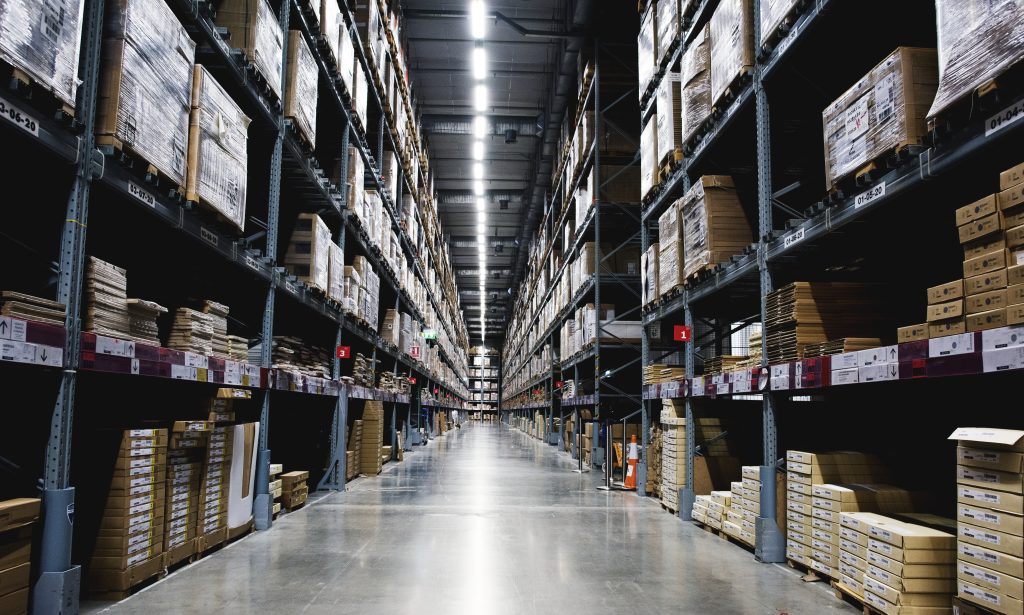
Warehousing and Logistics Centres

What We Deliver

Routine EICR inspections provide essential assurance that your electrical systems remain safe, compliant, and fit for continued operation.

Monthly functional testing to BS 5266

Annual full-duration (3-hour) discharge testing

Inspection of luminaires, batteries, and control systems

Verification of escape route coverage

Identification of failed fittings or battery degradation

Logbook maintenance and updates

Certification suitable for insurers and fire authorities

Fast remedial repair or replacement of failed luminaires

All works can be scheduled out-of-hours or overnight to avoid operational disruption.

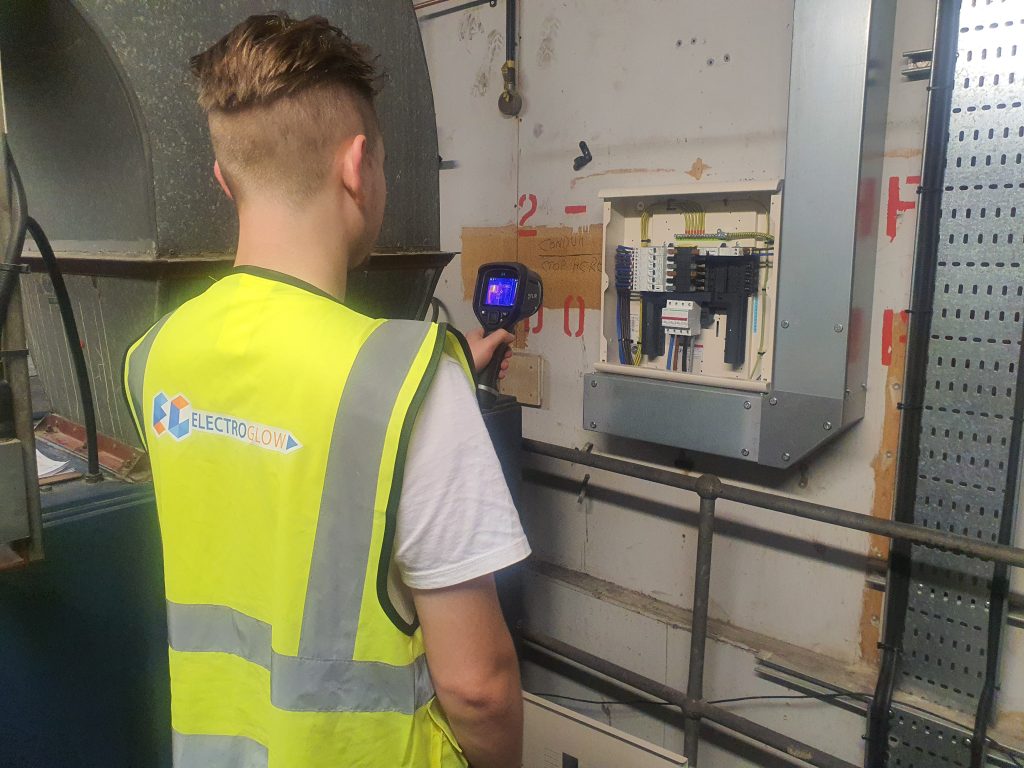
Electrical Maintenance and Compliance Testing for Commercial and Industrial Facilities

Benefits of Regular Emergency Lighting Testing

Routine inspection ensures systems operate when required and documentation remains up to date.

Key benefits include:

Demonstrable compliance with BS 5266 and Fire Safety Order

Reduced risk of enforcement action or fire regulation breaches

Clear audit trail for insurers and fire authorities

Improved evacuation safety for staff and visitors

Early identification of battery or fitting failure

Minimal disruption through phased or out-of-hours testing

Structured testing demonstrates proactive fire safety management.

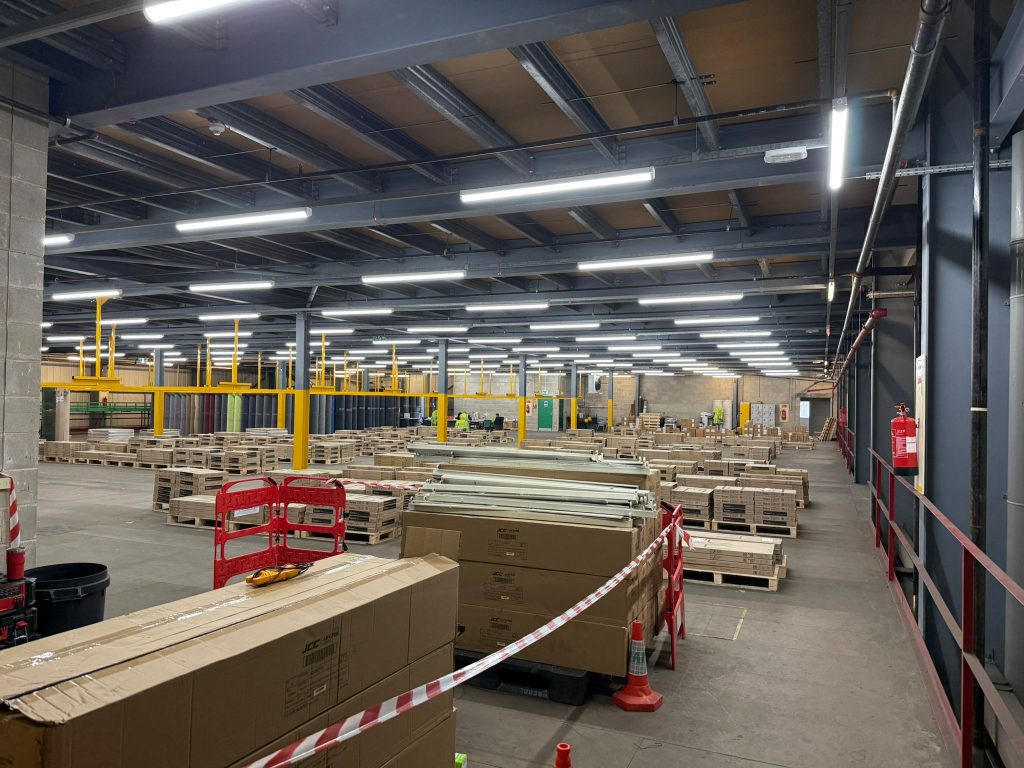
Warehouse Retrofit - Case Study

Why Structured Emergency Lighting Testing Matters

Emergency lighting failure is rarely obvious during normal operation.
Only controlled functional and duration testing verifies battery performance and compliance with required discharge times.

In high-occupancy or industrial environments, this level of assurance is essential for life safety and regulatory compliance.

How it Works

Clear. Controlled. Fully documented.

Site Consultation Icon

Survey & Planning

Review of layouts, fire escape routes, and existing compliance records.
Design and Proposal Icon

Functional Testing

Simulated mains failure to confirm luminaire operation.

Professional Installation Icon

Duration Testing

Verification of battery discharge performance (typically 3 hours).

Testing and Aftercare Icon

Reporting & Certification

Update logbooks, record results, and issue compliance documentation.
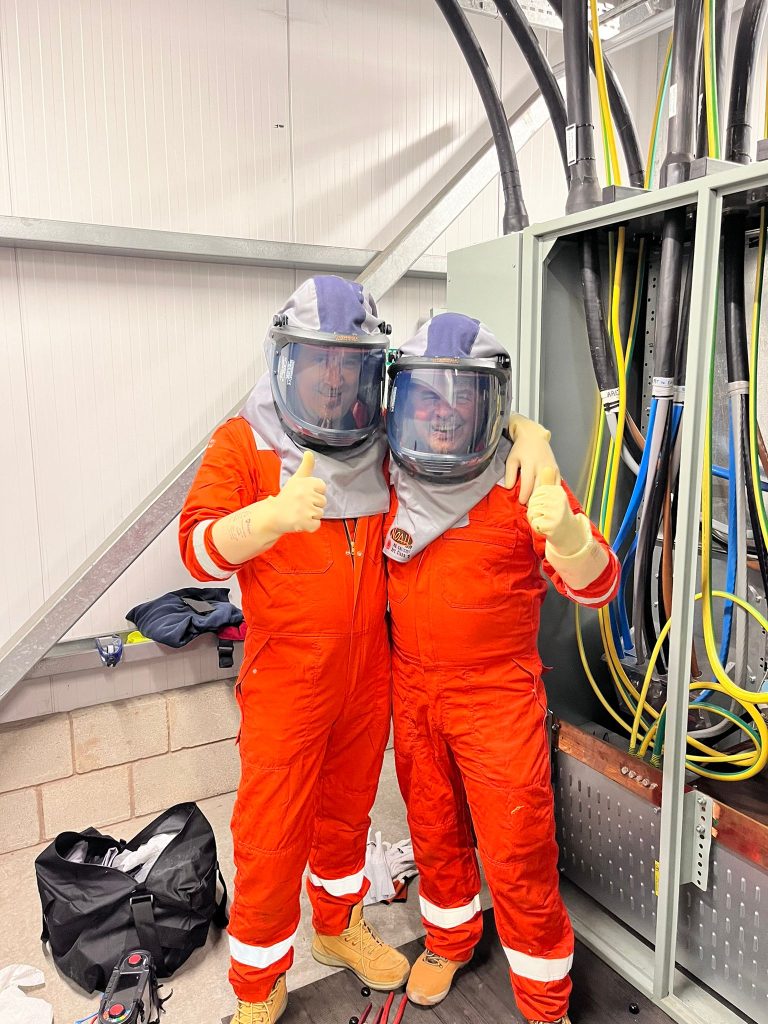
Case Study

Multi-Warehouse Distribution Centre – Castle Donington, Leicestershire

Challenge:

A major distribution facility in Castle Donington required its annual full-duration emergency lighting testing to maintain compliance with BS 5266.

The site operates continuous logistics and dispatch activity, meaning testing had to be completed without disrupting live warehouse operations. Existing records were paper-based, making audit preparation difficult across multiple warehouse units.

The objective was clear:

Full 3-hour duration testing

Zero operational downtime

Structured, trackable compliance records

Solution:

Electroglow delivered a phased overnight testing programme across three consecutive nights, allowing daytime operations to continue uninterrupted.

Our engineers:

Completed full 3-hour discharge testing of all emergency luminaires

Identified and replaced 11 failed fittings and battery units

Updated all logbooks and issued BS 5266 certification

Electroglow delivered a phased overnight testing programme across three consecutive nights, allowing daytime operations to continue uninterrupted.

Our engineers:

Results achieved:

Full BS 5266 compliance restored

11 defective fittings replaced and re-certified

Zero operational downtime

Full digital asset traceability implemented

Real-time compliance visibility via secure portal

Why Businesses Choose ElectroGlow

NICEIC-approved compliance specialists

BS 5266 and Fire Safety Order expertise

Structured reporting and logbook management

Fast remedial turnaround

Proven experience across industrial and logistics environments

Minimal disruption to live operations

Structured testing demonstrates proactive fire safety management.

Warehousing and Logistics Centres

Frequently Asked Questions

Answers to common questions about our solar and EV solutions.

How often should emergency lighting be tested?

BS 5266 requires a monthly functional test and an annual full-duration discharge test (typically 3 hours). All results must be recorded in an on-site logbook to demonstrate ongoing compliance with the Regulatory Reform (Fire Safety) Order 2005.

 Yes. We regularly schedule testing outside normal operating hours — including nights and weekends — to minimise disruption to warehouses, manufacturing facilities, and commercial environments.

Yes. Logbooks are reviewed, updated, and maintained as part of every inspection, with clear records of test dates, results, remedial actions, and certification issued.

Yes. Where required, assets can be logged within a secure customer compliance portal, providing management-level access to test history, certification records, and compliance status across the site.

Yes. Failed luminaires, batteries, or control gear can be repaired or replaced promptly. Affected fittings are re-tested where required, and updated certification is provided to maintain compliance.

Ensure your emergency lighting system is compliant, documented, and ready to perform in an emergency.

Book structured testing with our East Midlands compliance team today.