
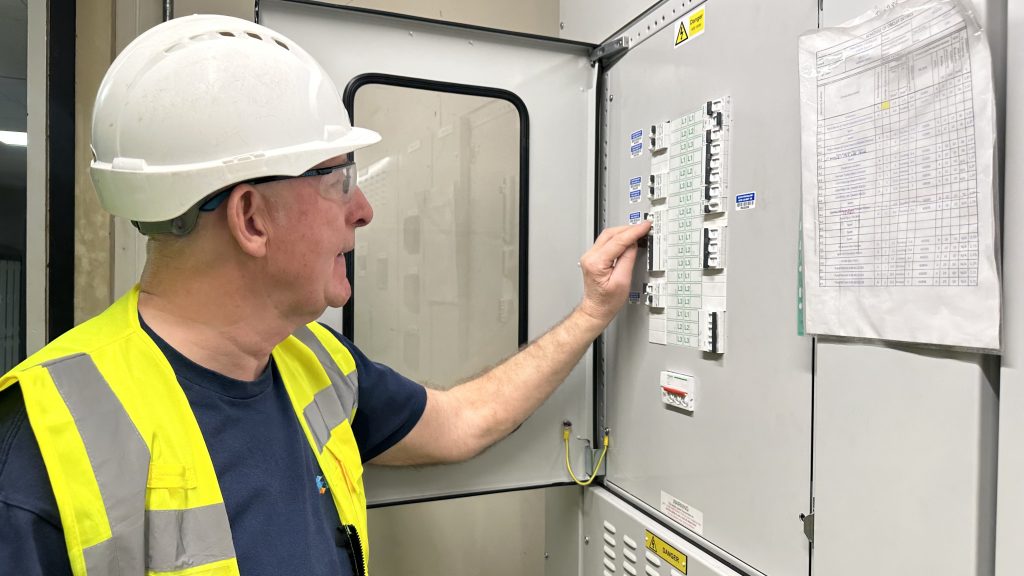

RCD Testing for Commercial & Industrial Electrical Systems

NICEIC-Certified RCD Inspection & Verification — Audit-Ready. Insurer-Ready. Operationally Safe.


Ensure every protective device on your site trips correctly and within required time limits.
ElectroGlow delivers structured RCD testing across Nottinghamshire, Derbyshire, and the East Midlands — with clear reporting and minimal disruption to your operations.

Suitable for insurers, audits, and HSE compliance reviews.

NICEIC Approved • Achilles Silver • TrustMark Registered Member

Overview

Residual Current Devices (RCDs) are critical components of electrical safety systems — designed to disconnect power instantly when a fault or imbalance is detected.

However, RCDs can fail mechanically, degrade over time, or fall outside required trip-time tolerances without visible warning.

Our NICEIC-certified engineers carry out structured RCD inspection and testing to verify:

  • Correct operation
  • Compliance with BS 7671 disconnection times
  • Ongoing reliability of protective devices

Regular RCD testing supports compliance under:

  • BS 7671 (IET Wiring Regulations)
  • Electricity at Work Regulations (EAWR)
  • Insurer and audit requirements

RCD verification is often delivered alongside full Fixed Wire Testing (EICR) inspections, or as a standalone compliance programme for high-demand sites. 

Who This Service Is For

RCD testing is essential for:

Key benefits include:

Manufacturing facilities

Pharmaceutical sites

Warehouses and logistics centres

Commercial offices and retail environments

Facilities managers responsible for electrical compliance

If your site relies on protective devices to prevent shock, fire, or escalation of electrical faults, structured RCD verification is critical.

What We Deliver

Testing of Type AC, A, B, and S RCDs

Trip-time and ramp testing to BS 7671 limits

Verification of correct disconnection times

Functional testing under simulated fault conditions

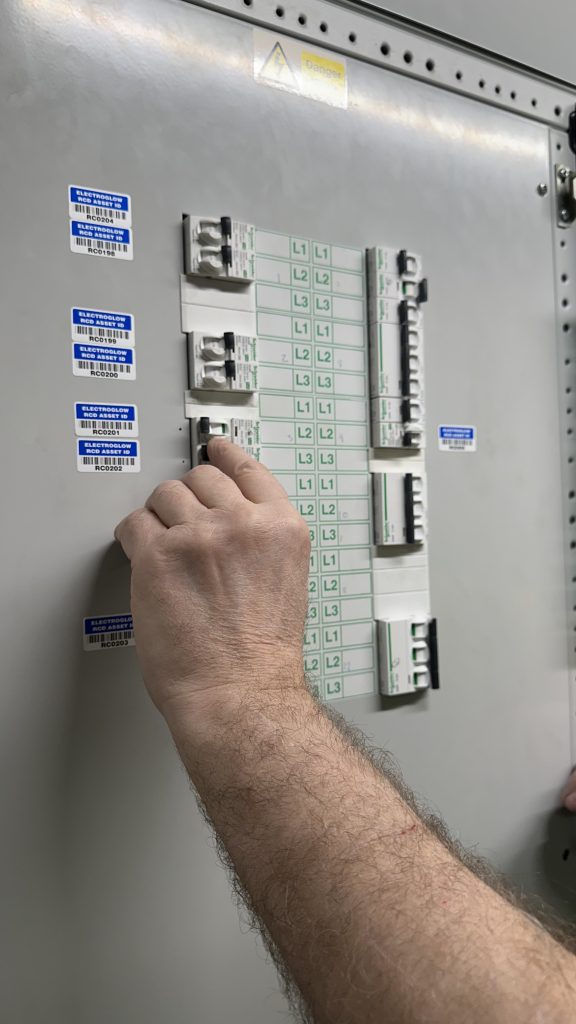
Asset identification and labelling for future inspection

Clear pass/fail reporting with remedial recommendations

Optional inclusion within broader Electrical Maintenance & Compliance Services

We carry out testing during operational hours, phased shutdowns, or weekends — ensuring minimal disruption to production environments.

Benefits of Regular RCD Testing

Routine RCD verification ensures protective devices function correctly when needed most.

Key benefits include:

Demonstrable compliance with BS 7671 and EAWR

Reduced risk of electric shock incidents

Protection against undetected protective device failure

Early identification of mechanical or sensitivity faults

Improved audit and insurer readiness

Clear documentation for internal safety records

Safer environments for staff, contractors, and visitors

Structured testing demonstrates proactive electrical risk management — not reactive correction.

Why Structured RCD Testing Matters

In high-demand commercial environments, RCD failure is rarely visible until a fault occurs.

Routine verification ensures devices operate within required trip-time limits — preventing escalation of electrical faults and protecting both personnel and production systems.

For regulated sectors such as pharmaceutical and manufacturing, this level of control is essential.

How it Works

Simple. Controlled. Certified.

Site Consultation Icon

Survey & Planning

Review of distribution boards, circuit schedules, and previous testing history.

Design and Proposal Icon

Testing

Trip-time, ramp, and sensitivity testing conducted in accordance with BS 7671.

Professional Installation Icon

Reporting

Pass/fail results recorded with clear recommendations for remedial works where required.

Testing and Aftercare Icon

Certification & Handover

Detailed NICEIC-compliant documentation issued for audit, insurer, and compliance records.
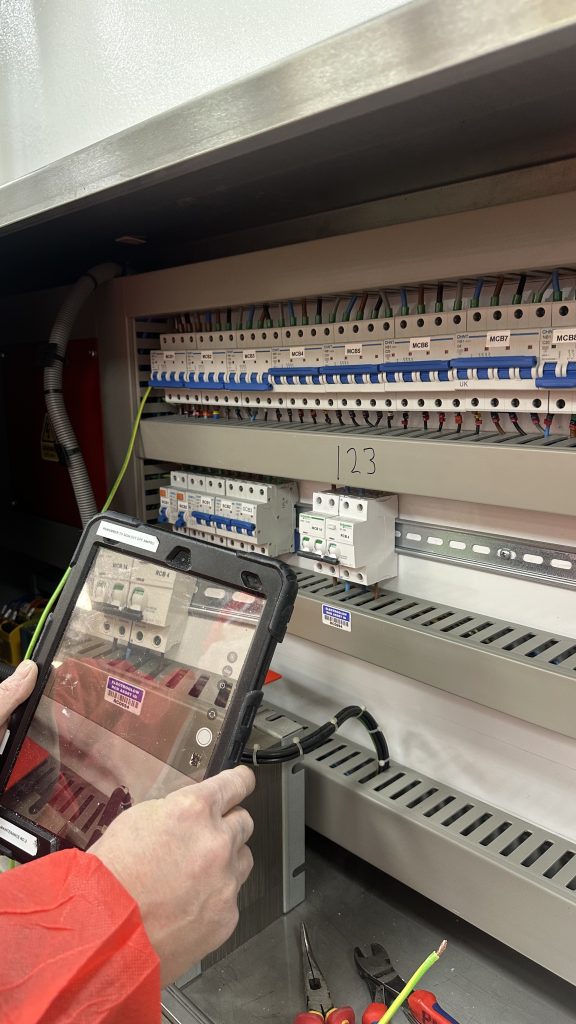
Case Study

Pharmaceutical Compliance Testing Programme — Beeston, Nottingham

Challenge:

A major pharmaceutical manufacturing facility required full RCD testing and verification across its live electrical infrastructure.

The site required:

Compliance with BS 7671

Zero disruption to sensitive production

Asset-level traceability for audits and insurer review

With nearly 1,000 RCDs installed across multiple distribution boards, paper-based reporting was insufficient for long-term compliance control.

Solution:

ElectroGlow delivered a structured, compliance-led RCD testing programme tailored for a regulated industrial environment.

Our engineers:

Tested 991 RCD protective devices across the full site

Carried out all testing during weekends to minimise production risk

Assigned each RCD an individual QR code, linking directly to test certification

Implemented a secure online compliance portal with real-time asset history

Delivered clear reporting aligned with pharmaceutical audit standards

The programme was integrated alongside the site’s wider Maintenance & Compliance Services

Results achieved:

991 RCDs tested, verified, and logged under a structured compliance system

Zero disruption to live production

Full asset traceability through QR-coded device tracking

Real-time compliance visibility via secure portal

Insurer- and audit-ready documentation issued immediately

Why Businesses Choose ElectroGlow

NICEIC-approved industrial testing specialists

Structured compliance-led approach

Minimal operational disruption

Clear, audit-ready documentation

Integration with EICR and ongoing maintenance schedules

Proven experience across regulated environments

Protection that works when it matters most.

Frequently Asked Questions

Answers to common questions about our solar and EV solutions.

How often should RCDs be tested?

RCDs should be manually tested every 6 months using the built-in test button. Professional testing and recorded verification is typically required every 1–3 years, depending on site risk level, operational environment, and insurer requirements.

Yes. We regularly work within operational commercial and industrial facilities and can phase testing or schedule out-of-hours and weekend works to minimise disruption.

Each RCD must briefly trip to confirm correct operation. We coordinate testing with site teams to ensure controlled, minimal impact on protected circuits.

Yes. All testing is completed to NICEIC standards with clear certification suitable for compliance audits, insurers, and internal records.

 Yes. Where faults or non-compliances are identified, we can complete corrective works efficiently, re-test affected circuits, and issue updated certification.

Ensure every protective device on your site is verified, documented, and compliant.

Book structured RCD testing with our East Midlands compliance team today.